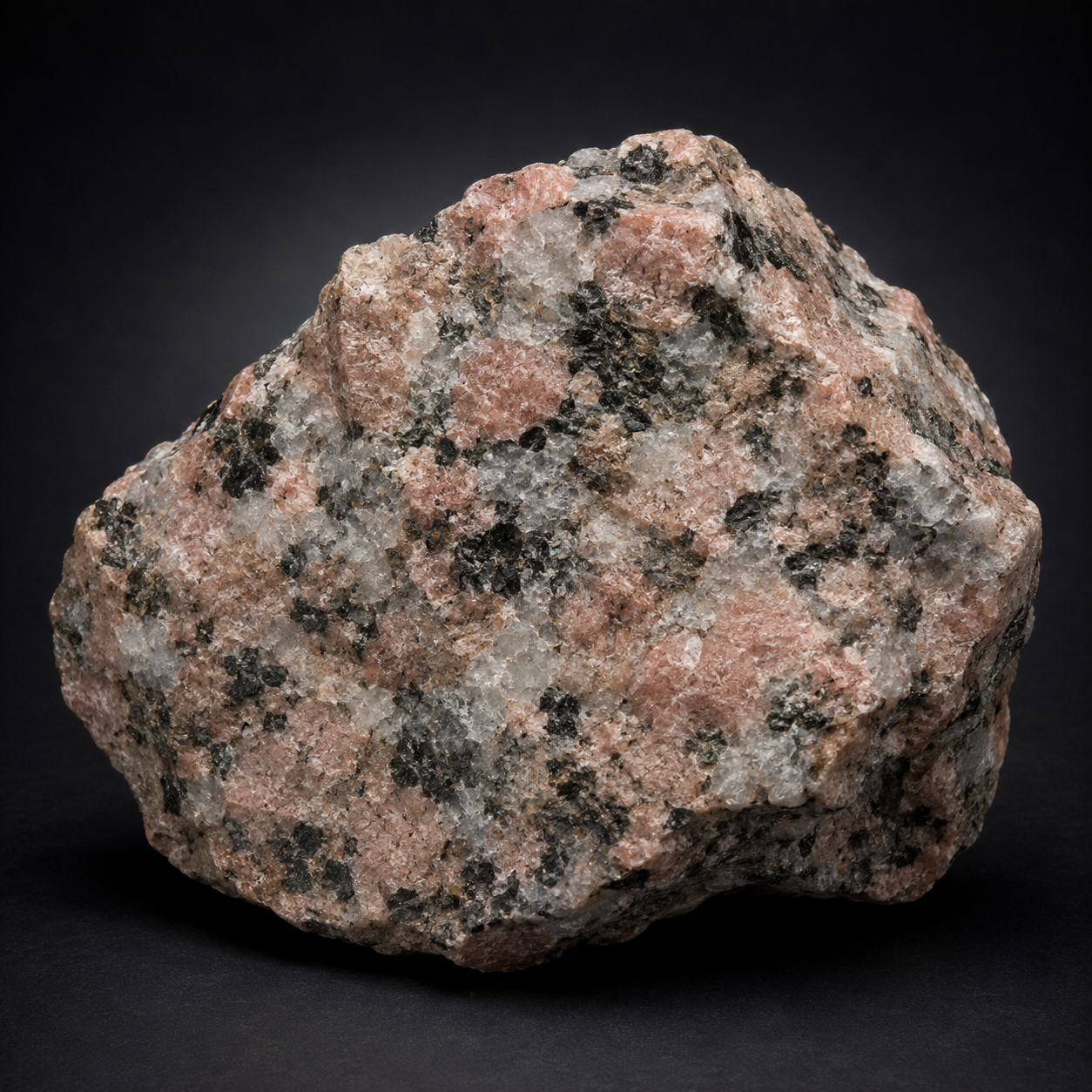
Granite
IgneousCoarse pink-and-grey speckle of slowly cooled magma, deep underground.
How to tell: Interlocking crystals big enough to see; scratches glass.
A starting field guide to the rocks, minerals and fossils people find most often — and the landforms that shape the ground beneath them. Spot the tell, then bring your own find to the studio for a full reading.
Read your own stoneCoarse pink-and-grey speckle of slowly cooled magma, deep underground.
How to tell: Interlocking crystals big enough to see; scratches glass.
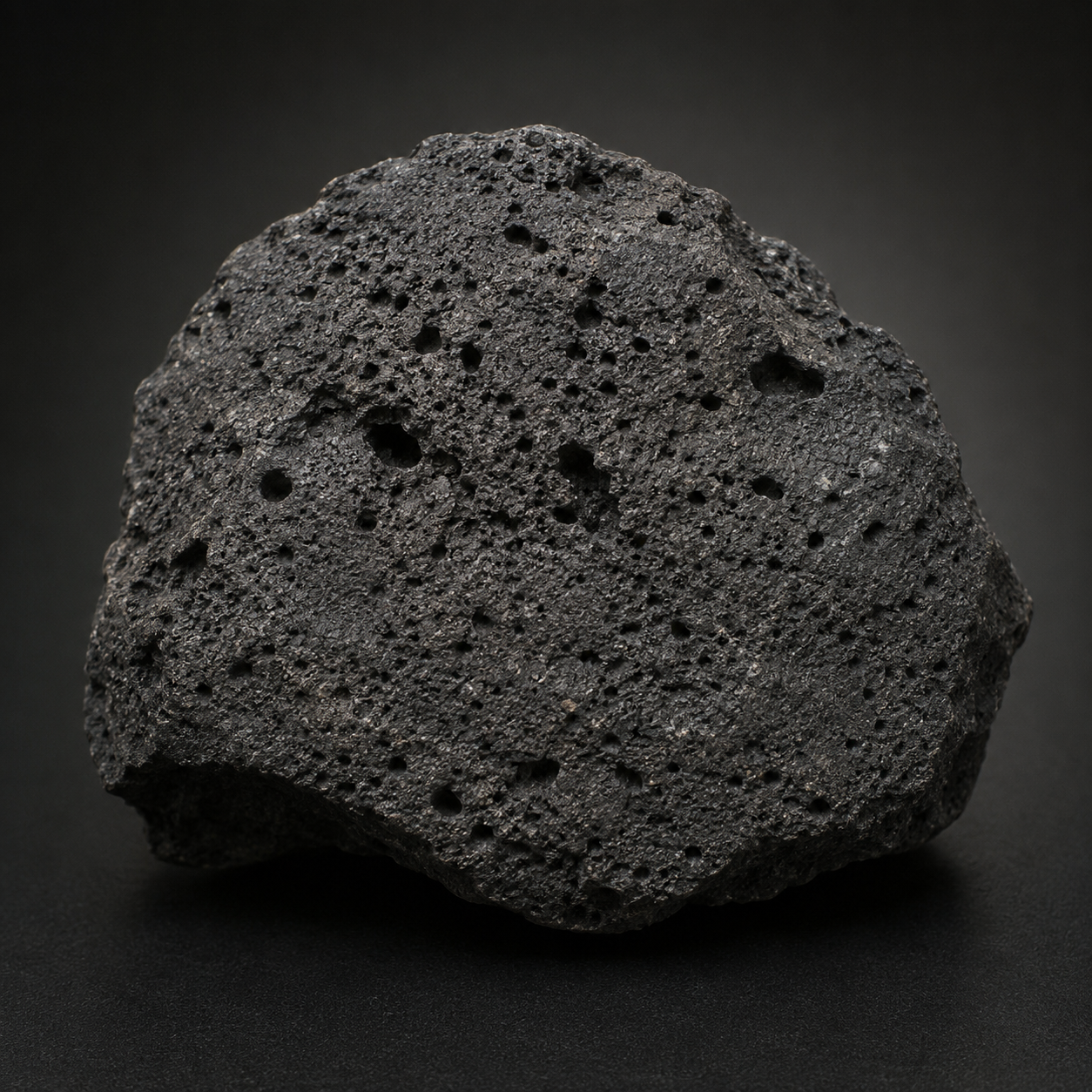
Dark, dense, fine-grained lava that cooled fast at the surface.
How to tell: Heavy for its size; may tug a magnet.
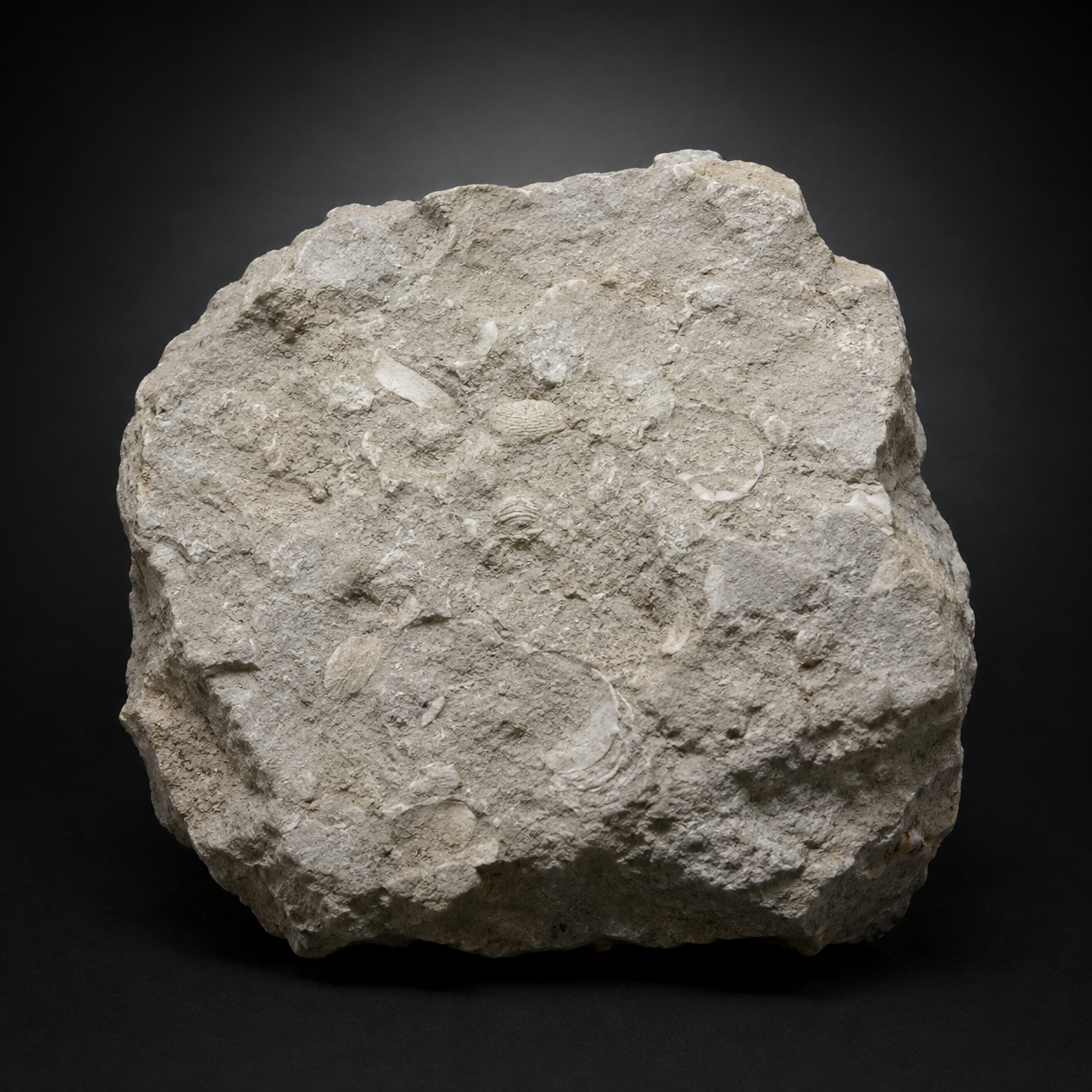
Pale rock built from ancient sea-floor shells and skeletons.
How to tell: Fizzes with a drop of weak acid; often holds fossils.
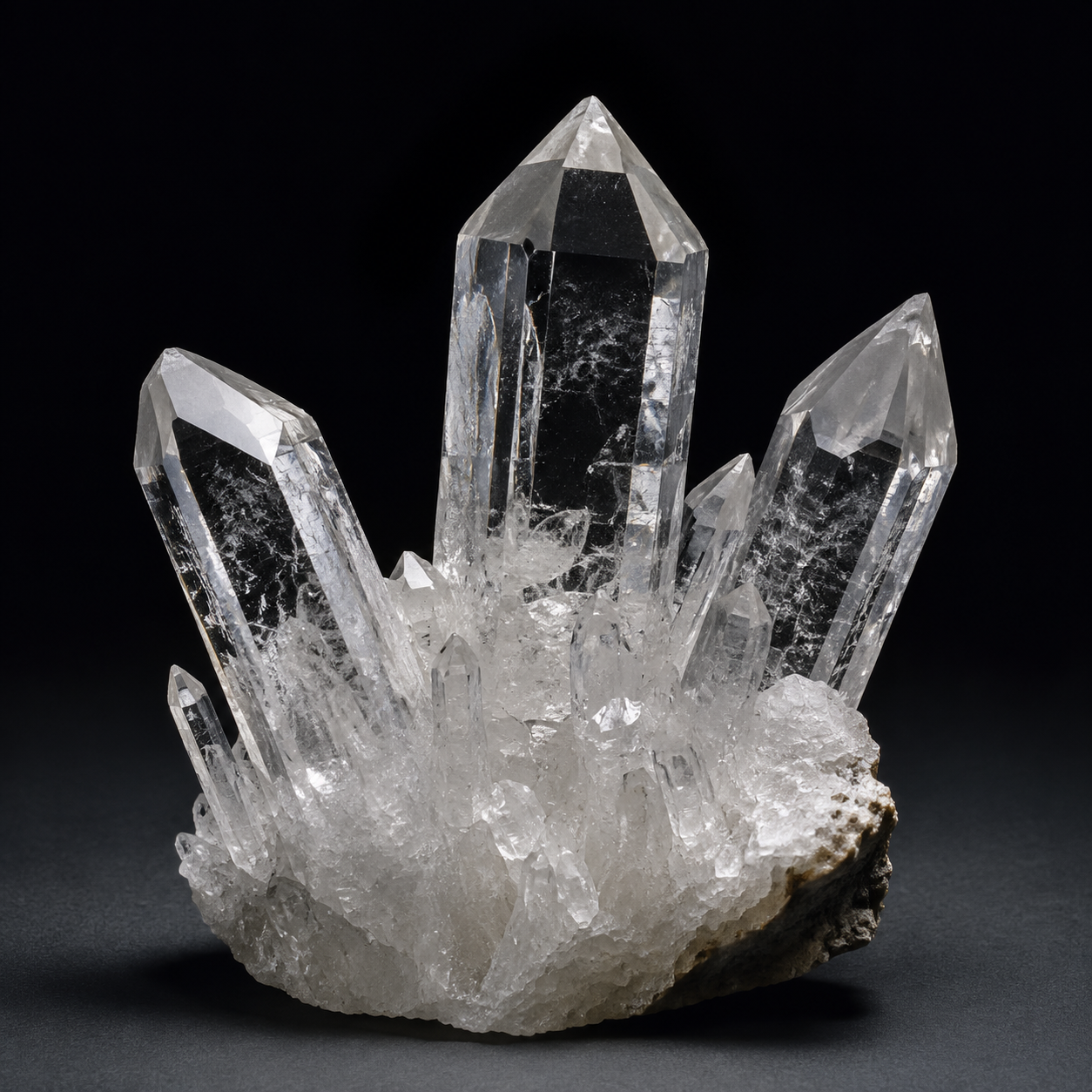
Glassy six-sided crystals grown from silica-rich fluids.
How to tell: Hardness 7 — scratches glass and steel.
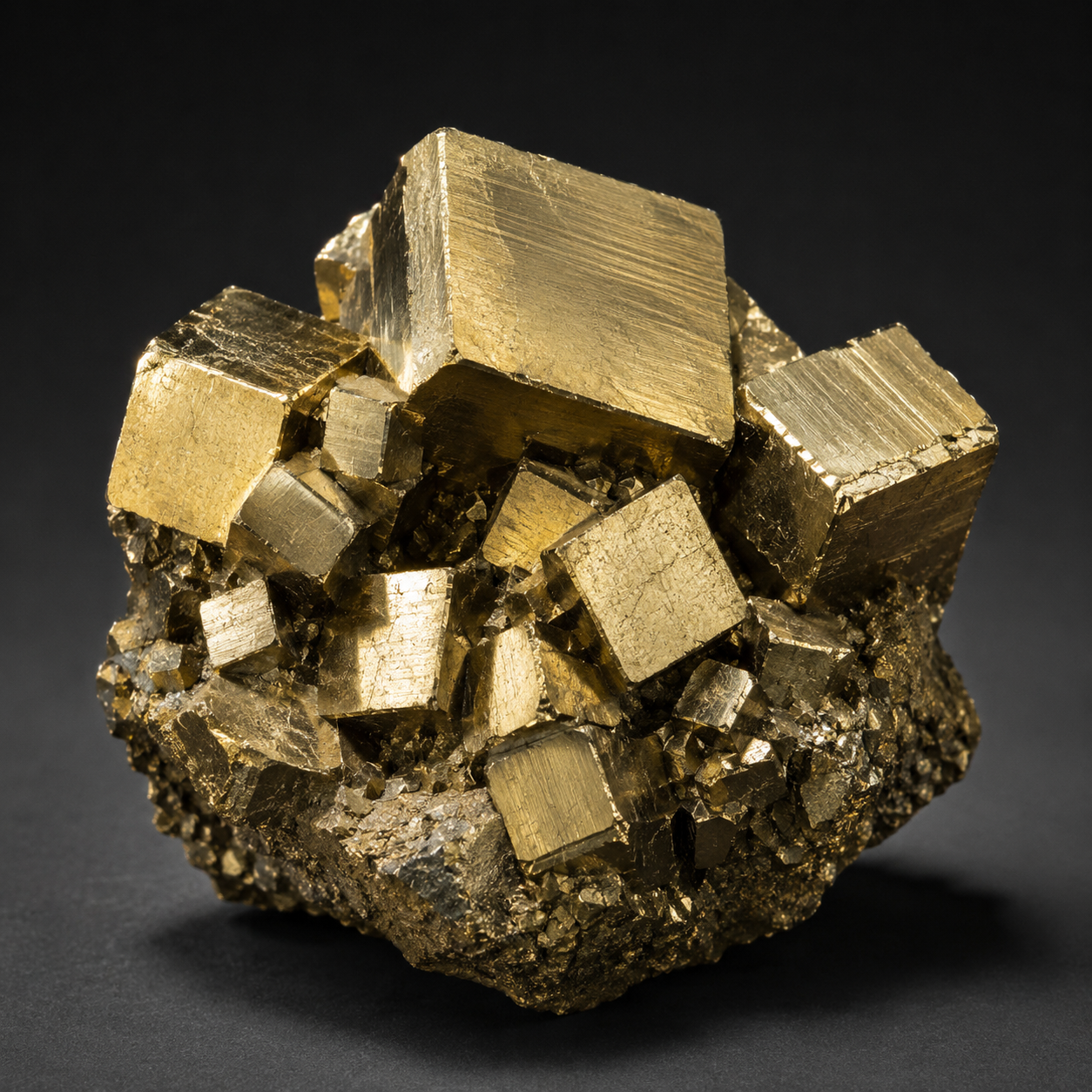
Brassy metallic cubes — the classic 'fool's gold'.
How to tell: Greenish-black streak; too hard to be gold.
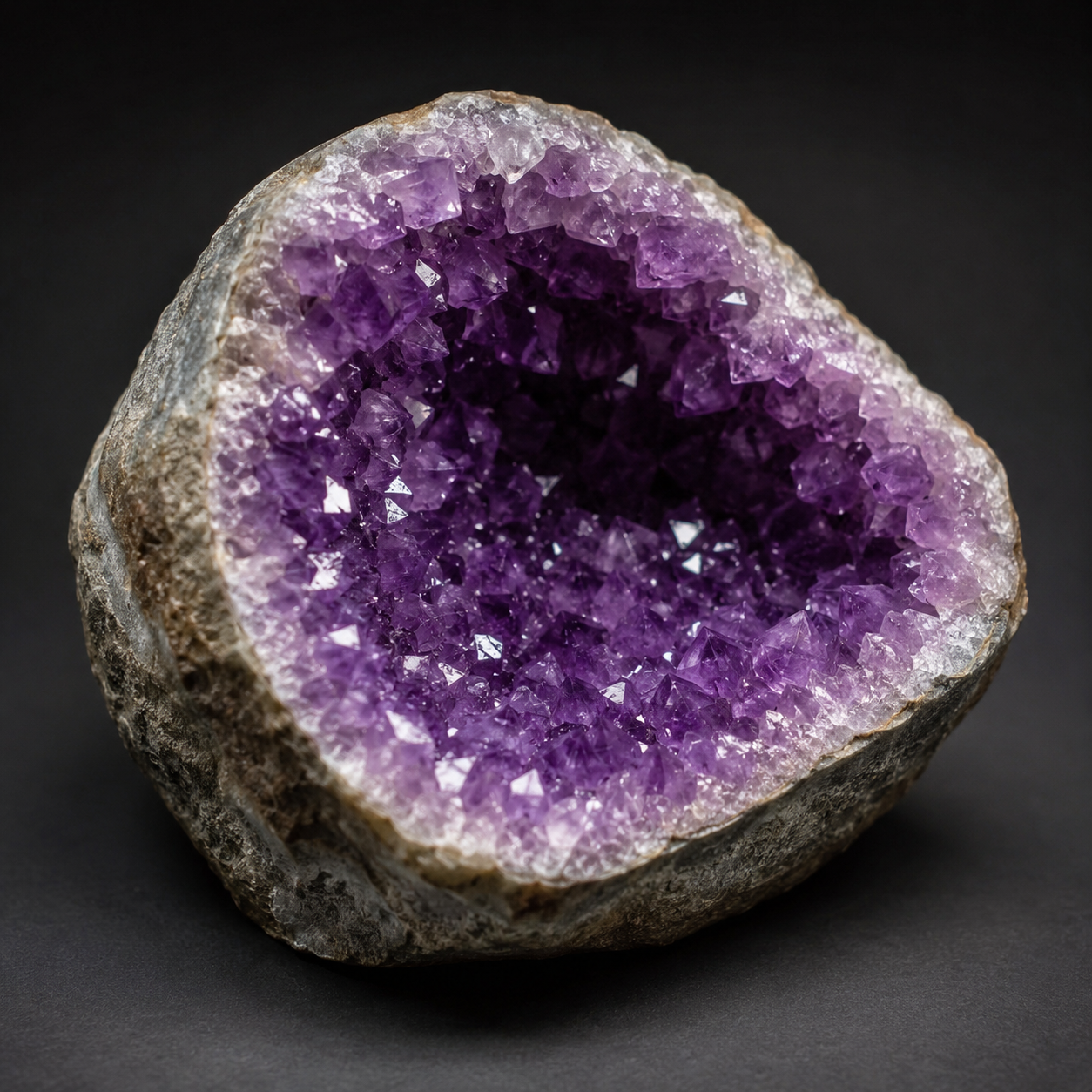
A gas cavity slowly filled inward with purple quartz points.
How to tell: Hollow and light; crystals line an open cavity.
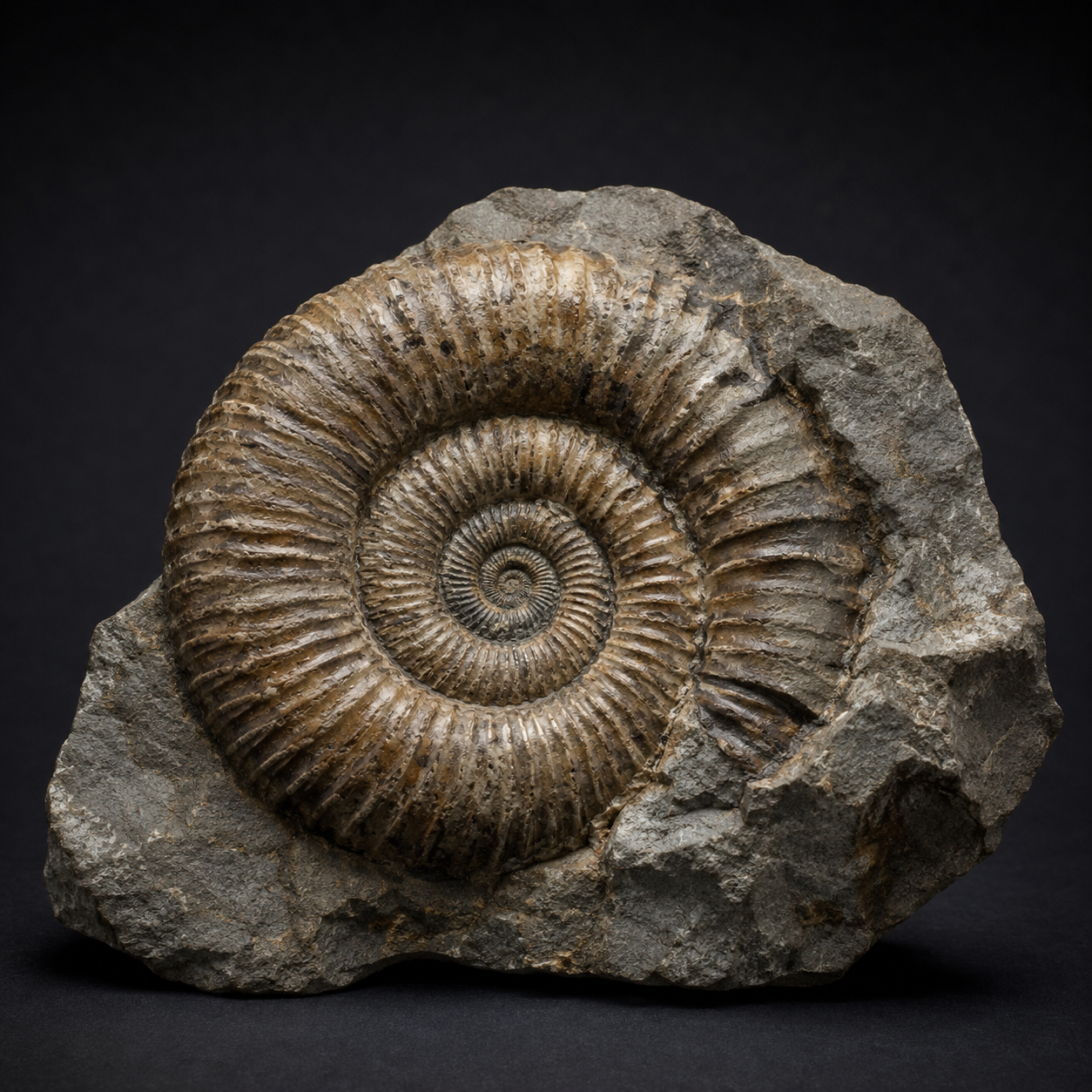
The mineralised coiled shell of an extinct sea creature.
How to tell: Tight ribbed spiral with internal chamber walls.
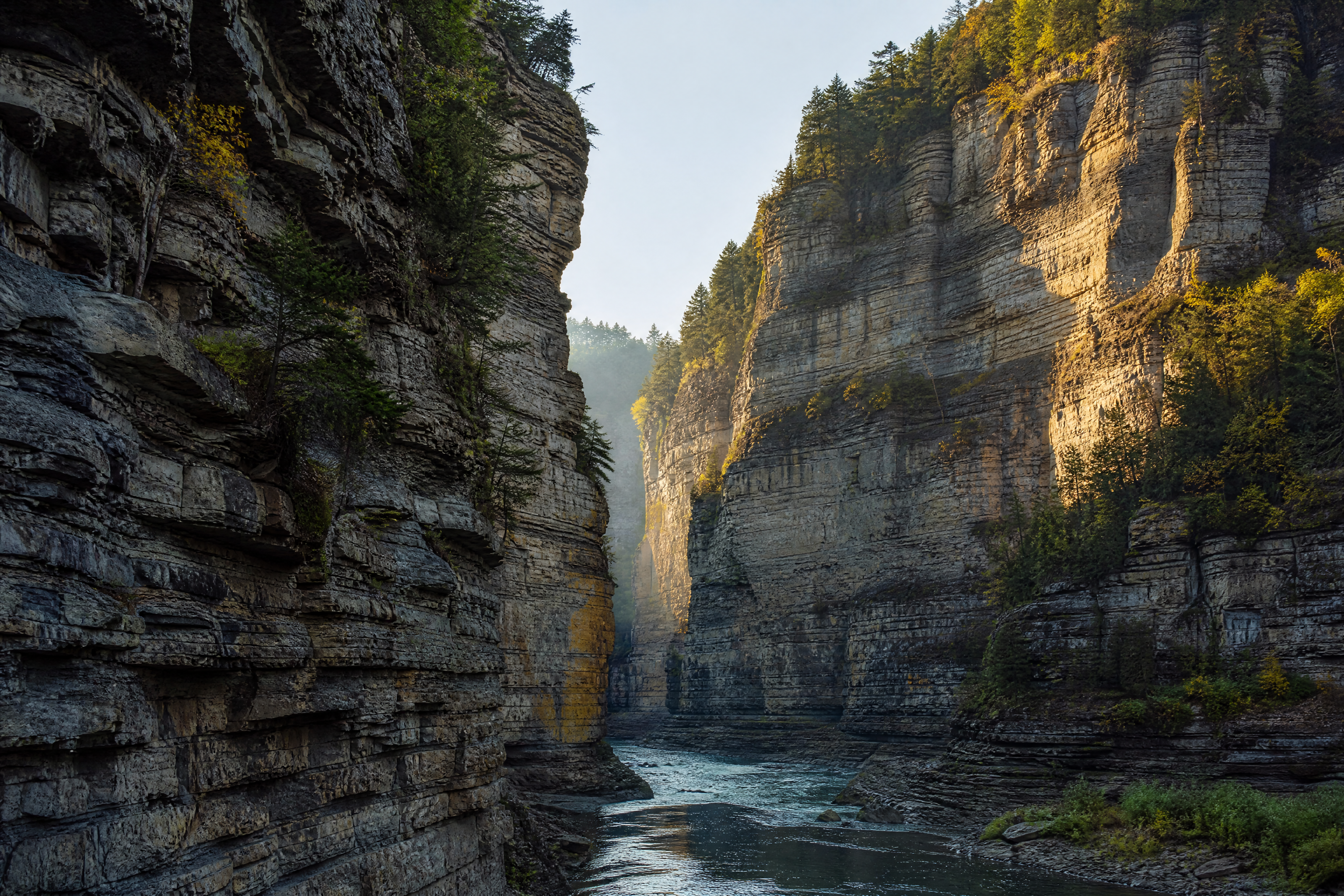
A river slowly dissolving and cutting down through layered soluble rock.
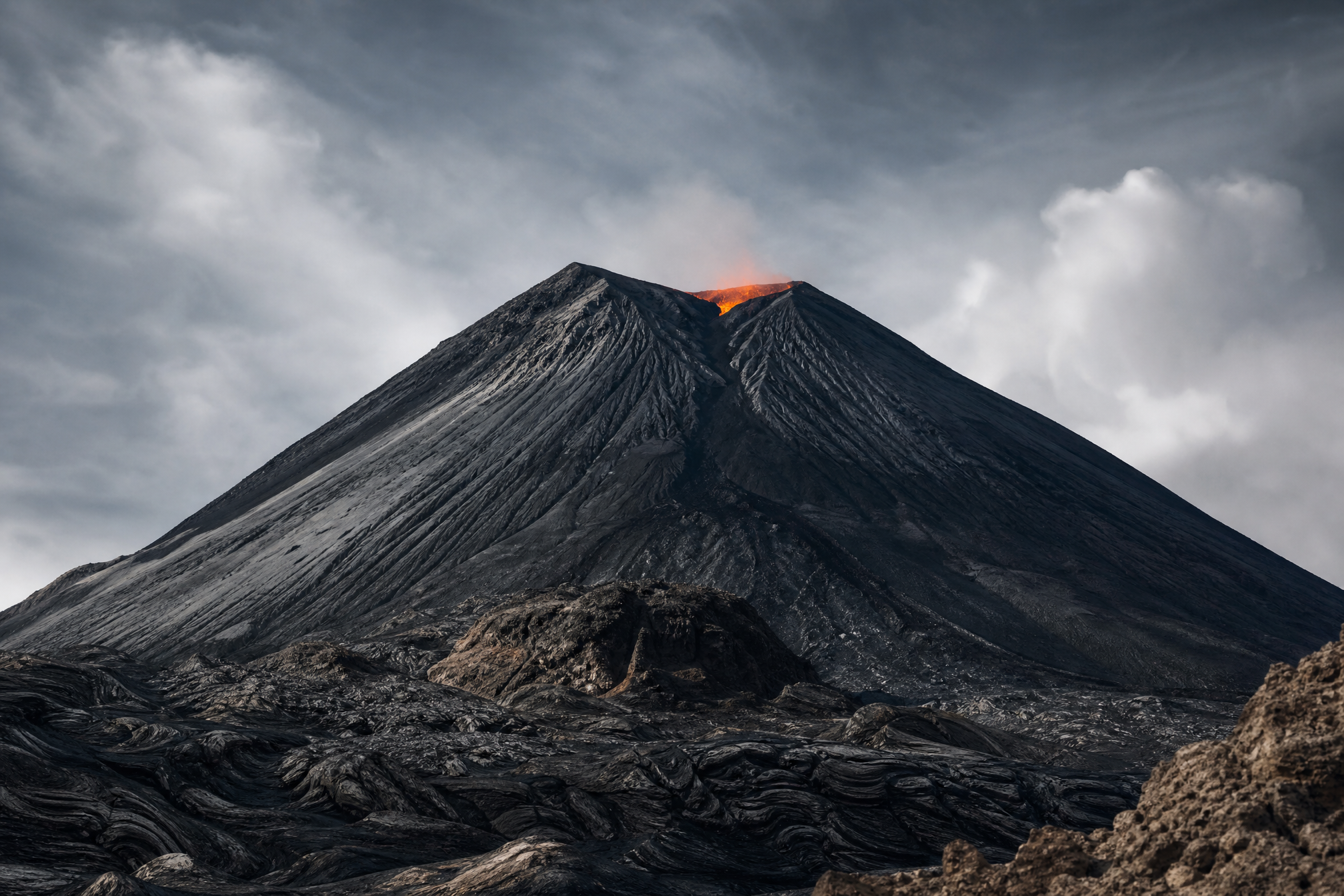
Layered lava and ash built up by repeated eruptions from below.
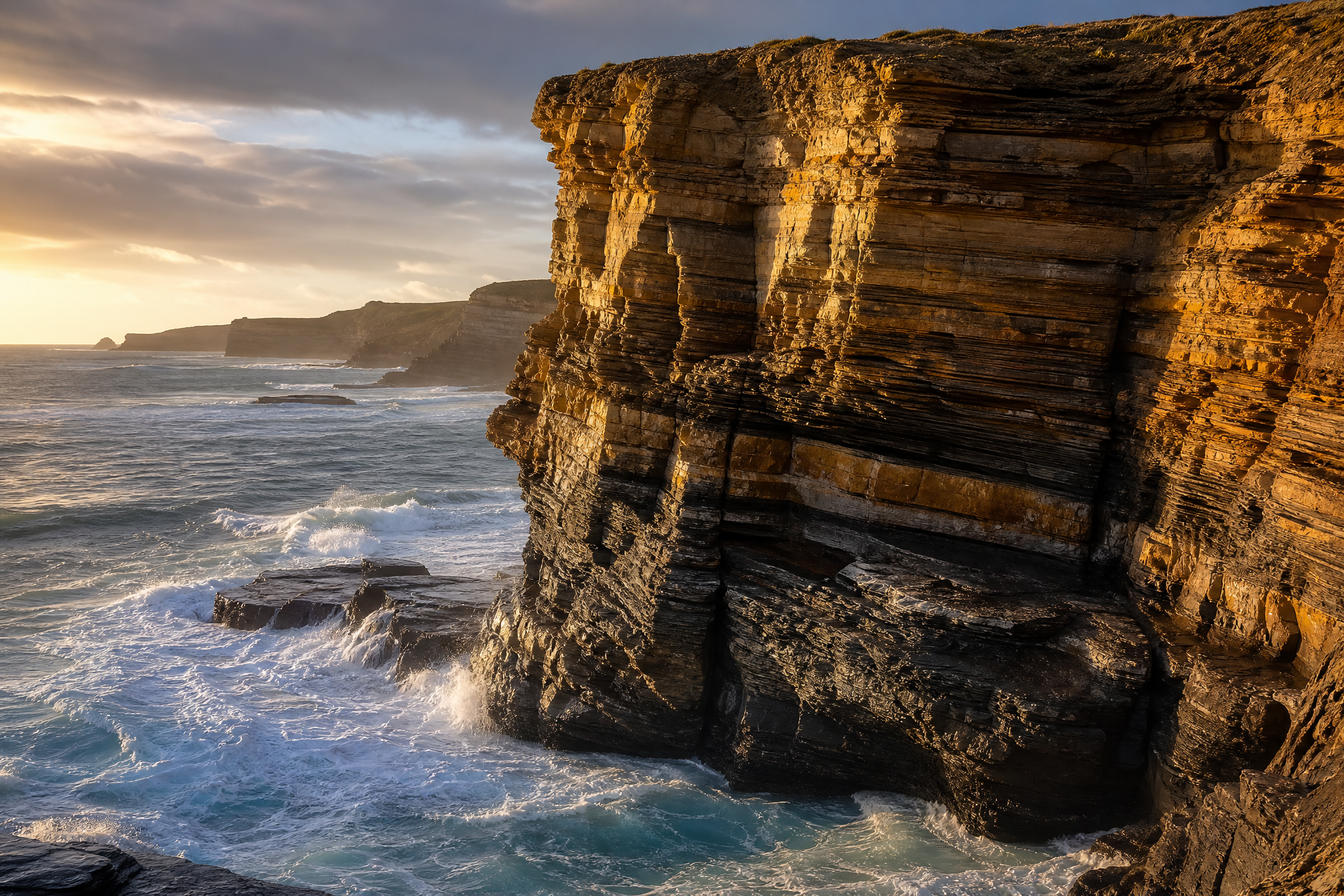
A retreating rock face undercut and shaped by wave erosion.
Identifications and geological interpretations are educational estimates and may be wrong. Geode is not a licensed geological, geophysical or geotechnical service. Fieldwork content is general information only and does not encourage entering dangerous locations (cliffs, tidal zones, quarries, mine workings, private land). Follow local law and collecting ethics.